Get the Point
Be Safe with Syringes and Lancets
A Home Guide to Syringe and Sharps Disposal
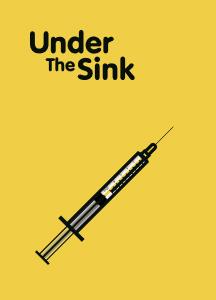
If you use syringes and lancets to control diabetes, allergies, or any other medical symptom, your loose syringes thrown in your garbage or recyclables can hurt people.
Sanitation workers face many hazards and being stuck by a needle is a real possibility if needles are not disposed of properly.
Even though you may feel healthy, your used syringes can cause harm and pass on germs.
Serious diseases such as Hepatitis B can result from an accidental needle stick!
The Goal
To prepare your sharps for safe disposal that protects people from needle sticks during transportation or disposal.
The Solution
The Safe Ways to Dispose of Your Syringes
![]()
- Gather:
- Sturdy plastic bottle, such as a detergent bottle, masking tape, permanent marker
- Sticker:
- Label the plastic bottle using masking tape and a permanent marker with the warning:
SHARPS! Do Not Recycle. Dispose Properly.
You can also purchase sharps containers from your pharmacist and it will be labeled properly.- Store:
- Keep this container away from children and pets. Carefully place each used syringe or lancet into the bottle. When storing, keep the cap on the bottle for safety.
- Seal:
- When the bottle is full, secure the lid with tape.
- Safe Disposal:
- Dispose of the filled bottle at UnderTheSink
![]()
Remember
- Keep your container out of reach of small children and pets with the lid on!
- Never flush your syringes or lancets down the toilet!
- Don't fill your container to the top! Allow two to three inches in-between the syringes and the neck of the plastic bottle.
- Put a lid on it! After you use a syringe or lancet, put it directly into your sharps collection container.
- When the bottle is full and tightly sealed, take it to UnderTheSink.
Syringe Disposal Restrictions
This brochure was designed for assistance with disposal of syringes and lancets used in private residences. Sharps produced in the health care industry are strictly regulated by law.